While a large part of the global sector remains focused on mass promotion, the Portuguese territory explores a less visible but decisive question: how to guarantee habitability and well-being when ´extreme heat´ ceases to be an exception and becomes part of the journey.
By Ehab Soltan
HoyLunes – A whitewashed square in Monsaraz at noon. The cobblestones reflect the Alentejo sun, and the medieval walls barely cast a strip of shadow where locals and visitors seek refuge. The centuries-old stones radiate an invisible but dense heat. The outdoor terraces gradually empty, shadows are at a premium, and the monuments remain unperturbed under a leaden sky, but the traveler’s experience has completely changed.
For decades, tourist destinations fiercely competed to offer more beauty, more museums, more activities, and faster connections. However, the 21st century and undeniable climate milestones are introducing a new, imperative, and silent variable into the equation of tourism success: thermal comfort.
Faced with this changing reality, a question arises that redefines the rules of the game: What if the tourism of the future were no longer organized around what we want to see, but around where we can be well?
To respond to this paradigm, the Turismo de Portugal Authority has officially presented in Monsaraz a pioneering initiative that transcends simple crisis management: the «Climate Refuges | Stay Cool Program». Integrated into the Tourism Climate Action Agenda 2030 (Agenda para a Ação Climática no Turismo 2030), this plan is not a mere reaction to the thermometer; it is the anticipation of a new form of contemporary hospitality.
It is no coincidence that the initiative was born in Monsaraz, a town accustomed for centuries to coexisting with the climatic extremes of the Portuguese interior.
«What if the tourism of the future were no longer organized around what we want to see, but around where we can be well?»
Tourism Facing a New Reality: Temperature Demarcates the Experience
Climate has always influenced tourism; now it is beginning to define it. The increase in extreme heat episodes in Southern Europe can no longer be classified as a seasonal anomaly. It directly affects visitor mobility, alters consumption patterns, reduces the time spent in public spaces, and radically transforms traveler satisfaction levels.
Promoting a destination is no longer enough; the true challenge of tomorrow is to ensure that this destination remains habitable and inclusive during the central hours of the day. Portugal has understood that the well-being of a tourist is inseparable from the well-being of the resident, and that resilience is the new synonym for quality.
The Portuguese Initiative: A New Infrastructure of Hospitality
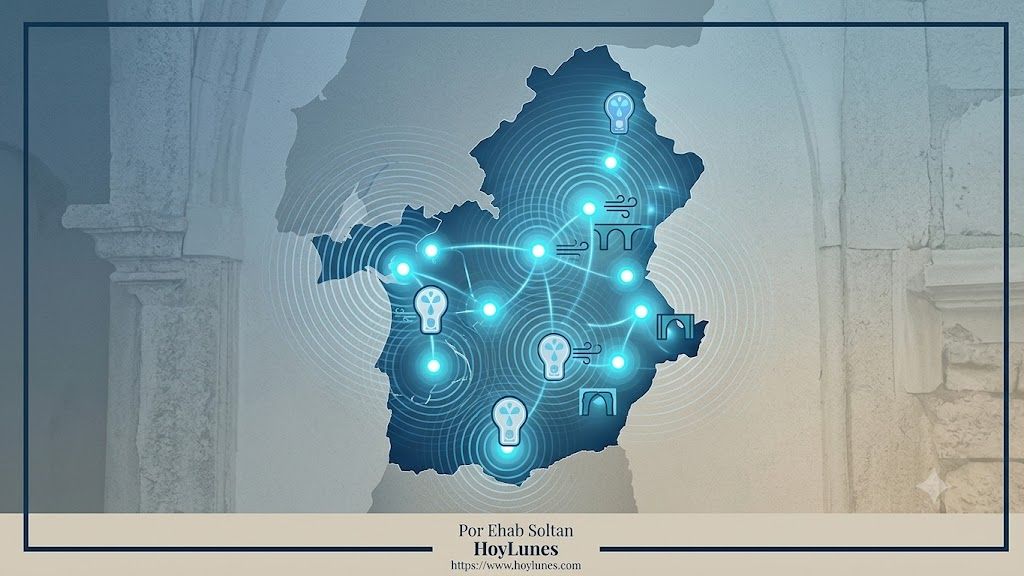
The «Climate Refuges | Stay Cool» program does not seek to build artificial, isolated facilities; it seeks to weave a national network of accessible, safe, and thermally comfortable spaces. Under the coordination and territorial implementation of Turismo de Portugal, the initiative deploys a comprehensive adaptation mechanism that includes:
- Strategic training: Immediate training actions aimed at municipalities and tourism agents through technical webinars in July.
- Financial muscle: A funding line of «1 million euros», channeled through the «Growing with Tourism» (Crescer com o Turismo) program, exclusively destined to equip spaces and infrastructures with the ideal conditions to obtain the official climate refuge classification.
- Multisectoral alliances: The private sector joins the challenge. Proof of this is the first cooperation protocol signed with the Portuguese Association of Shopping Centers (APCC) to identify and integrate large urban areas capable of mitigating thermal impact.
- Portugal is not building walls against the climate; it is structuring an innovative «adaptation infrastructure» where public and commercial spaces become zones of relief and shelter.
Shadow as a Public Service and Recovered Wisdom
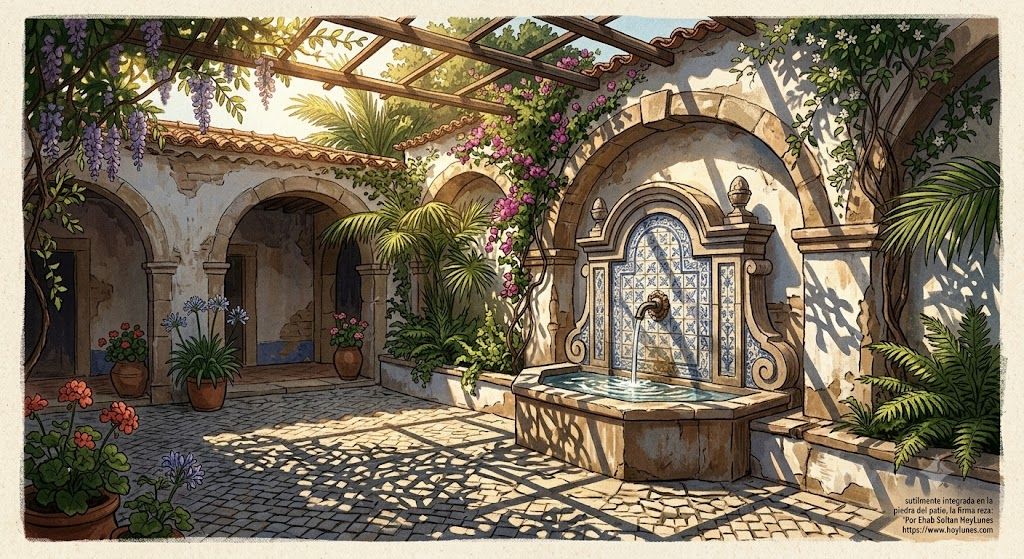
This dimension, although avant-garde, hides an umbilical cord to the past. Long before air conditioning existed, Mediterranean and Atlantic cultures already knew perfectly well how to coexist with the rigors of the sun. Shaded courtyards, the arcades of traditional Portuguese architecture, monumental public fountains, urban botanical gardens, and the stone cloisters of ancient monasteries were, in essence, the first climate refuges in history.
For centuries, Portuguese popular architecture understood something that tourism planning is discovering anew today: shadow was not a luxury, but a survival infrastructure. The Turismo de Portugal initiative recovers that «ancient wisdom» and elevates it to the category of a modern public service through the use of contemporary tools, digital mapping, and 21st-century sustainability standards (ESG). Shadow and coolness are no longer architectural accidents; they are part of the customer experience design.
The Great European Laboratory of Resilient Tourism?
The step taken in Monsaraz positions Portugal not as an actor passively reacting to a problem, but as a «pioneer testing global solutions». In the coming years, when the rest of the continent faces identical thermal challenges—a consequence of increasingly frequent and extreme heatwaves across Europe—all eyes will turn toward the Portuguese model.
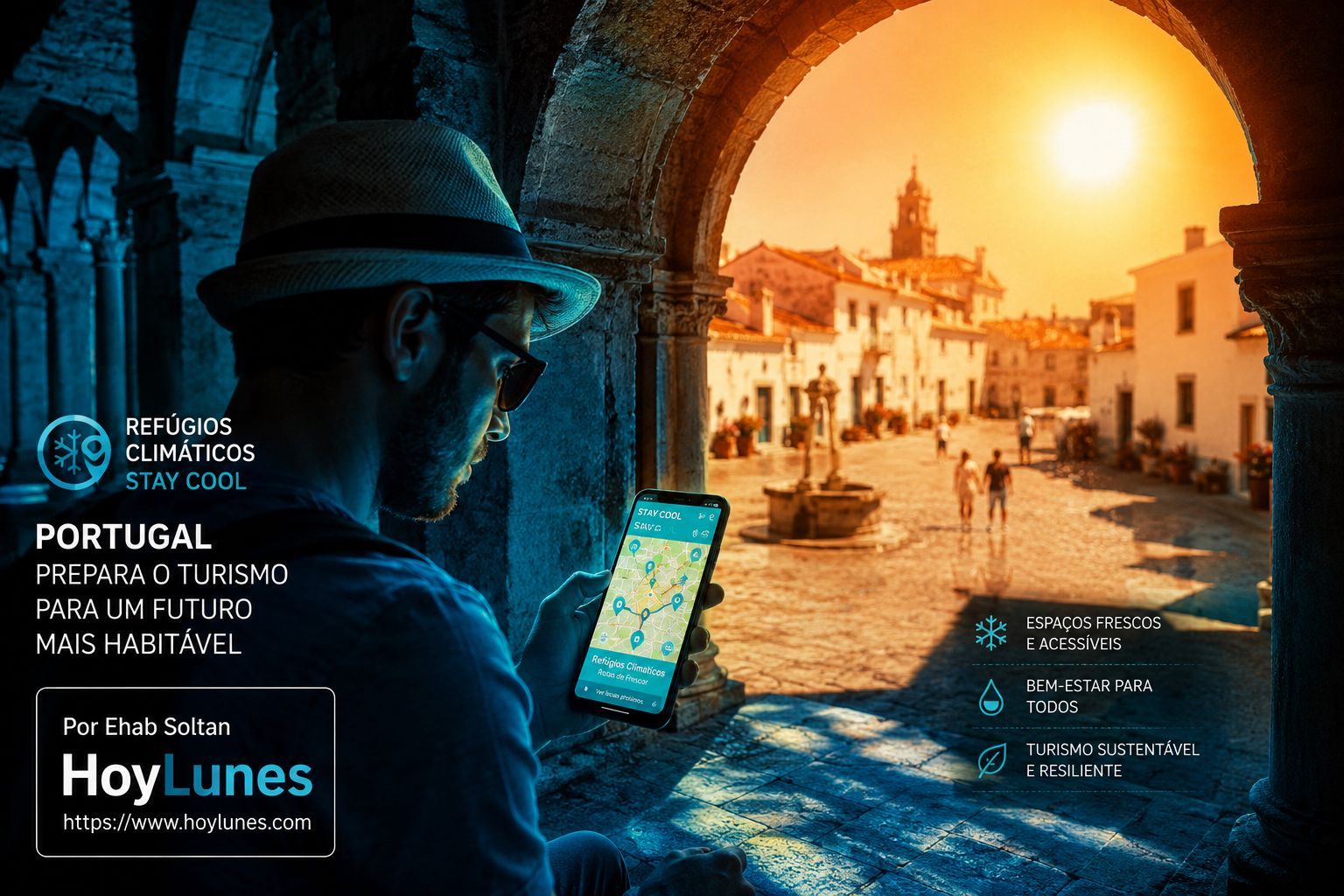
Soon, it will not surprise us to see climate refuge maps integrated in real-time into the tourism applications on our phones, suggesting routes that combine heritage and coolness. In this new era, a certified climate refuge will be an asset as crucial and indispensable to a city’s reputation as its five-star hotels or its tourist information offices are today.
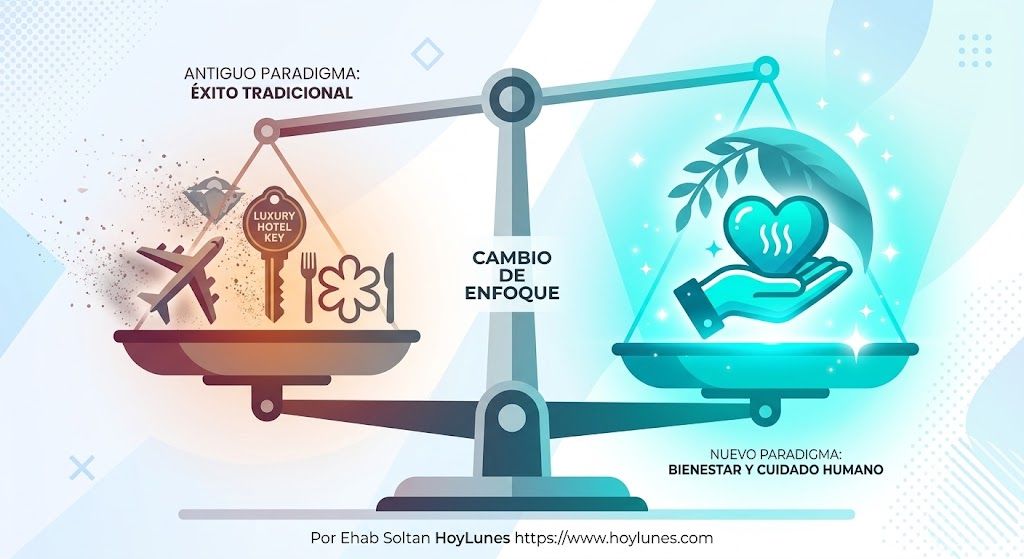
A New Definition of Tourism Quality
For decades, the excellence of a country was measured through quantitative variables: the number of hotel beds, Michelin-starred restaurants, renowned museums, or the density of airport connections. The «Stay Cool» program opens the door to a new international benchmark. In the future, the most memorable destinations will be evaluated by their «capacity for care», their environmental resilience, their universal accessibility under extreme conditions, and their flexibility to protect human well-being.
«The most influential tourism innovation of this decade was not born in a technological laboratory, but in something as simple as a shared shadow.»
Let us return to the initial scene in Monsaraz. The sun is still high in the sky, but the experience is diametrically opposed: the destination map shows the traveler where to find a nearby refuge to rest, hydrate for free, recover energy in a comfortable environment, and continue their exploration. Perhaps in a few years, we will remember that the most influential tourism innovation of this decade was not born in a technological laboratory or an airport, but in something as simple as a shared shadow in a Portuguese square during an afternoon of extreme heat.